

Category: Psychology

  • How Psychological Therapy Can Solve Anger Management Issues

    How Psychological Therapy Can Solve Anger Management Issues

    In the fast-paced world that we live in, stress has become an unwelcome companion for many people. The pressure to meet deadlines, societal expectations, and personal challenges can feel immense. If this feeling results in lots of overwhelm, it will often show itself as anger. Uncontrolled anger not only affects our mental well-being but also strains relationships and hampers our overall levels of life satisfaction. Thankfully, psychological therapy, particularly cognitive-behavioural therapy (CBT), offers a guiding light for those navigating the tumultuous waters of anger management problems.

    Understanding the Anger-Stress Relationship:

    To understand how psychological therapy aids in managing anger, it is important to recognize the intricate connection between anger and stress. Stress is an inherent part of modern life, triggering emotional responses that range from anxiety to frustration. It is also an important component of biology since a certain level of stress helps to get us up in the morning, to have some purpose, and to push us forward when we feel challenged by things we value. However, if stressors accumulate, they can emerge as anger, which is often a defence mechanism when we are worried about being “found out” or unable to cope. However, if this anger remains unchecked, it can lead to detrimental consequences for the mental and physical health of the individual and the people around them.

    Stress Management:

    The first step in addressing anger management issues is tackling the root cause – stress. Psychological therapy provides individuals with the tools and strategies to manage stress effectively. Therapists work with clients to identify stressors, develop coping mechanisms, and create a tailored stress management plan. By learning how to navigate stressors in a healthy way, individuals can prevent the escalation of stress into uncontrolled anger. It’s important to emphasise that anger is a normal emotion, and can have a very useful purpose to keep us safe, but if it happens a lot, this can become a big problem.

    Anger and Stress:

    Anger and stress share a symbiotic relationship, each fueling the other in a vicious cycle. Psychological therapy unravels this knot by helping individuals recognize the triggers that transform stress into anger. Through self-awareness exercises and reflective techniques, individuals can pinpoint the underlying causes of their anger, allowing them to break free from the cycle and respond to stressors in a more controlled and calm way.

    Cognitive Behavioural Therapy (CBT):

    One of the most effective forms of psychological therapy for anger management is Cognitive Behavioural Therapy (CBT). CBT operates on the principle that our thoughts, feelings, and behaviours are interconnected. In the context of anger management, CBT helps individuals identify and challenge the distorted thoughts that contribute to excessive anger.

    CBT equips individuals with practical skills to reframe negative thought patterns and replace them with healthier alternatives. By altering the way individuals perceive and interpret stressors, CBT diminishes the intensity of emotional reactions, preventing them from escalating into uncontrolled anger.

    In a therapeutic setting, individuals learn to recognize automatic thoughts associated with anger, such as catastrophizing or overgeneralization. Once identified, therapists guide clients in restructuring these thoughts, promoting a more balanced and rational perspective. With cognitive restructuring and assertiveness techniques, individuals learn to respond to stressors with a more measured and composed approach, rather than succumbing to impulsive anger.

    Behavioural Techniques:

    CBT also incorporates behavioural techniques that actively change how an individual has learnt to respond to stress in the past. Therapists help clients in developing assertiveness skills, effective communication strategies, and relaxation techniques. These tools enable people to express their needs and frustrations constructively, reducing the likelihood of anger outbursts.

    Additionally, CBT uses systematic desensitization to gradually expose individuals to stressful situations, helping them to build resilience and tolerance over time. By addressing the behavioural aspects of anger, CBT ensures a comprehensive approach to anger management that goes beyond mere symptom control.

    Practical Applications:

    The real-world applications of psychological therapy in anger management are profound. Individuals who undergo therapy experience not only a reduction in the frequency and intensity of anger episodes but also an improvement in overall emotional well-being. Relationships benefit as communication becomes more open and understanding, fostering a healthier emotional environment.

    Psychological therapy often becomes a beacon of hope for those grappling with anger management problems. By untangling the intricate web of stress and anger, therapy equips individuals with the tools needed to navigate life’s challenges with composure and resilience. As with therapy for any problem, it can also be fun and humorous along the way, and many people enjoy learning different ways to get their needs met, much more effectively than shouting at someone!

    If you would like some help with this type of problem, please get in touch with me: Dr Sue Webb, Clinical Psychologist, at suewebbpsychology@gmail.com or through my website:


  • Is This the Winter Blues or Am I Depressed?

    Is This the Winter Blues or Am I Depressed?

    As the days grow shorter and the temperatures drop, it’s not uncommon to feel a bit down or sluggish. Many of us experience fluctuations in mood, especially during the winter months, often attributing it to the “winter blues.” However, for some individuals, these feelings may become quite persistent and overwhelming, interfering with your ability to do your usual daily activities. This can be a sign of the onset of clinical depression. Distinguishing between occasional sadness and clinical depression is important for timely intervention and effective treatment. Let’s delve into the differences, prevalence, and avenues for seeking help when navigating the complexities of mood disorders.

    Differentiating Between Temporary Blues and Clinical Depression

    Feeling down or having a bad day is a natural part of the human experience. Life’s challenges, stressors, and disappointments can evoke transient feelings of sadness or low energy. However, clinical depression encompasses persistent and pervasive symptoms that significantly impact your daily functioning and overall well-being.

    Symptoms of Clinical Depression may include:

    1. Persistent Sadness: Feeling hopeless, empty, or tearful most of the day, nearly every day, sometimes without having any identifiable cause.
    2. Loss of Interest or Pleasure: Losing interest in activities you normally enjoy, including hobbies, socializing, and losing your sex drive. It is not unusual for people to crave sympathy and understanding, but equally, a feeling that they cannot face being with people, or that any social contact feels like huge pressure to pretend to be ok.
    3. Changes in Appetite or Weight: Significant changes in appetite or weight, leading to overeating or appetite loss.
    4. Sleep Disturbances: Insomnia, oversleeping, or disrupted sleep patterns, even when you feel exhausted. In fact, disrupted sleep patterns are often one of the first signs of depression.
    5. Fatigue or Loss of Energy: Feeling lethargic, physically drained, or lacking the energy to complete daily tasks. Holding down your job or keeping the house ticking over can feel like mammoth tasks when you don’t have any energy and want to hide away.
    6. Difficulty Concentrating: Trouble focusing, making decisions, or remembering details. This symptom can be one of the main reasons why people see their GP, as they can feel frightened that there is something very serious happening to their mind. In fact, it is very logical, that if you are too tired to concentrate, you will not be able to focus, so you won’t be able to take in new information and remember it. As the depression lifts and your concentration returns, so does your memory. Sounds simple, doesn’t it? If only it were that easy!
    7. Feelings of Worthlessness or Guilt: Persistent feelings of worthlessness, self-blame, or excessive guilt. People can become very focused on negative thoughts and perceptions, where they “beat themselves up” and feel very worried about small things which they would usually take in their stride.
    8. Suicidal Thoughts or Behaviour: Thoughts of death, suicide ideation, or suicide attempts. This often happens when people have been depressed for a while, with no help, and they start to feel that they have no control or understanding about what is happening to them. If this persists, they can feel very helpless and this makes self-harm more likely to happen.


    While experiencing one or two of these symptoms intermittently does not necessarily indicate clinical depression, the persistence and severity of these symptoms over a prolonged period (typically two weeks or more) needs help from a mental health professional.

    Prevalence of Depression

    Depression is a prevalent mental health condition, affecting approximately 4.4% of the global population. However, the true prevalence may be higher due to underreporting, stigma, and barriers to accessing mental health care. Depression can manifest at any age, with factors such as genetics, brain chemistry, life events, and medical conditions contributing to its development.
    Men and women can also show depression differently. Men have a tendency to become more angry and irritable than they normally would, and to be quite withdrawn. Women tend to become more tearful (initially), and seek people they trust to talk to about their worries, needing lots of reassurance that they are not a “bad” person or “unlovable”.

    Seeking Help for Depression

    Recognizing when to seek help for depression is vital for effective management and recovery. If you or someone you know is experiencing symptoms of depression that interfere with daily functioning, it’s essential to reach out to a healthcare provider or mental health professional. Seeking help early can prevent symptoms from worsening and improve treatment outcomes.

    How Does Therapy Help To Overcome Depression

    Therapy, particularly evidence-based approaches like Cognitive Behavioural Therapy (CBT), plays a pivotal role in treating depression. Therapy can help by:

    1. Identifying and Challenging Negative Thought Patterns: CBT helps individuals recognize and challenge distorted thinking patterns contributing to depression, such as self-criticism, pessimism, and catastrophic thinking.
    2. Behavioural Activation: Therapy encourages individuals to engage in pleasurable and rewarding activities, even when motivation is low. By gradually reintroducing enjoyable activities, individuals can regain a sense of pleasure and purpose in their lives.
    3. Skill-Building: Therapy equips individuals with coping skills and strategies to manage stress, regulate emotions, navigate challenging situations effectively, and to rebuild self-esteem.
    4. Addressing Underlying Issues: Therapy provides a safe space to explore and address underlying issues contributing to depression, such as past trauma, relationship difficulties, or unresolved conflicts.
    5. Building Support Networks: Therapy helps individuals strengthen their support networks, fostering connections with friends, family, and community resources for ongoing support and encouragement. 
    6. Medication Management: In some cases, therapy may be combined with medication, such as antidepressants, to alleviate symptoms and enhance treatment effectiveness. 

    In conclusion, distinguishing between temporary blues and clinical depression is important for timely intervention and appropriate treatment. While occasional feelings of sadness are a normal part of life, persistent and pervasive symptoms need help and attention from qualified mental health professionals. Therapy, alongside other treatment modalities, offers lots of options for individuals navigating the complexities of depression, so it is essential to ask for help from your GP and those around you. If you or someone you know is struggling with depression, remember that help is available, and you are not alone.

    My name is Dr Sue Webb, and I am a Clinical Psychologist with over 30 years of experience helping people to overcome depression. At my clinic in Woking, I provide a safe space for people to explore their struggles with depression and other difficulties.

    If you would like to enquire about some help, please contact me at: suewebbpsychology@gmail.com or check out my website for more information:

  • Discover How Effective CBT is for OCD and Pure O

    Discover How Effective CBT is for OCD and Pure O

    Obsessive-Compulsive Disorder (OCD) is a mental health condition that affects millions of people worldwide, characterised by intrusive thoughts (obsessions) and repetitive behaviours (compulsions). It can significantly impair an individual’s quality of life, affecting their relationships, work, and overall well-being. While the exact cause of OCD remains unclear, it is widely acknowledged that a combination of genetic, neurological, behavioural, and environmental factors contributes to its development. Thankfully, advancements in psychological interventions, particularly Cognitive Behavioural Therapy (CBT), offer hope and relief to those struggling with OCD and its variants, including Pure Obsessional OCD (Pure O).

    Understanding OCD and Pure O

    Before delving into how CBT aids in managing OCD, let’s grasp the nature of this disorder. OCD manifests in various forms, with common obsessions revolving around contamination, symmetry, harm, and intrusive thoughts about taboo subjects. Individuals with OCD often engage in compulsive rituals or mental acts to alleviate distress or prevent feared outcomes. Pure O, also known as Purely Obsessional OCD, differs in that the compulsions are predominantly mental, such as repetitive thoughts or mental rituals, rather than observable behaviours. One example of Pure O is that every time someone has an upsetting thought such as “What if I want to hurt my husband?”. That thought would be a trigger for another thought such as “How can I be angry with him – I must be a terrible wife and mother”. This thought would then trigger a mental ritual that they feel compelled to do, to ‘neutralise’ the original ‘bad’ thought. The ritual may involve saying a long prayer in their mind, to protect their loved one and reduce the OCD sufferer’s anxiety. This process may go on for hours at a time and will be mentally exhausting.

    Prevalence and Impact

    OCD is more prevalent than commonly thought, affecting approximately 2-3% of the global population. However, due to stigma and misdiagnosis, many individuals suffer in silence without seeking appropriate treatment. Pure O, although less recognized, presents unique challenges due to its covert nature, often leading to delayed diagnosis and increased distress.

    How does Cognitive Behavioural Therapy Help?

    CBT stands as one of the most effective therapeutic approaches for OCD. It operates on the principle that our thoughts, feelings, and behaviours are interconnected, and by altering maladaptive thought patterns and behaviours, individuals can effectively manage their symptoms.

    Exposure and Response Prevention (ERP)

    Central to CBT for OCD is Exposure and Response Prevention (ERP), a systematic technique where individuals confront feared stimuli (exposure) while refraining from engaging in compulsive behaviours (response prevention). Through repeated exposure to anxiety-provoking situations, individuals gradually learn that their feared outcomes are unlikely to occur or that they can tolerate the discomfort without resorting to rituals. ERP effectively targets both obsessions and compulsions, breaking the vicious cycle of anxiety and avoidance.

    Statistics on Recovery Rates

    Research consistently demonstrates the efficacy of CBT, particularly ERP, in treating OCD. Studies report recovery rates ranging from 50% to 80%, with many individuals experiencing significant symptom reduction and improved functioning following treatment. Furthermore, CBT has shown long-term benefits, with relapse rates lower compared to medication alone. It helps hugely in reducing depression and anxiety associated with OCD, which are the fuel that perpetuates OCD.

    The Importance of Seeking Therapy

    Seeking therapy for OCD is paramount for several reasons:

    1. Early Intervention: Early detection and intervention can prevent symptoms from worsening and minimize the impact of OCD on daily functioning.
    2. Improved Quality of Life: Therapy equips individuals with the skills to manage their symptoms effectively, enhancing their overall well-being and functioning.
    3. Reduced Isolation: Engaging in therapy provides a supportive environment where individuals can openly discuss their struggles, reducing feelings of isolation and shame often associated with OCD.
    4. Prevention of Complications: Left untreated, OCD can lead to severe impairment and co-occurring conditions such as depression, anxiety disorders, and substance abuse. Therapy helps mitigate these risks by addressing underlying issues and promoting healthier coping mechanisms.
    5. Empowerment: Therapy empowers individuals to take control of their lives and break free from the grip of OCD, giving people back their independence and breathing space. 

    In conclusion, Cognitive Behavioural Therapy, particularly Exposure and Response Prevention, offers a beacon of hope for individuals grappling with Obsessive-Compulsive Disorder and Pure O. By addressing the root causes of OCD and providing effective coping strategies, therapy enables individuals to reclaim their lives and have peace of mind back again.

    My name is Dr Sue Webb, and I am a Clinical Psychologist with over 30 years of experience helping people to overcome various forms of OCD. At my clinic in Woking, I provide a safe space for people to explore their struggles with OCD.

    If you would like to enquire about some help, please contact me on: suewebbpsychology@gmail.com or check out my website for more information:

  • Why is overcoming procrastination so hard when you have chronic pain?

    Why is overcoming procrastination so hard when you have chronic pain?

    Do you put things off in your life because you worry about triggering your chronic pain? If so, you are not alone! If you suffer from a health condition where your pain levels can fluctuate on a daily basis, it is likely that you are going to feel cautious about doing activities or accepting commitments, social and work ones, in case it backfires and causes a flair up.

    This is really understandable, but unfortunately, often the more we procrastinate over doing something, the more anxiety and worry it can cause us. We may start ruminating about how to deal with a task or an invitation. Should you just do it and suffer later when you’ve overdone it because you don’t want to admit to someone that you can’t realistically manage it? Do you turn down an invite because you couldn’t manage a whole evening out? Would someone get upset if you committed to a social event, and then had to leave early because you can’t cope with all of it?

    When we start worrying about things, we start to feel obsessed, anxious and tense. The muscular tension then causes a lot of discomfort, which increases pain levels. Increased pain then means less energy and less motivation, which results in more procrastination.

    So, what can help to break the cycle?

    • Break tasks down into small steps
    • Limit tasks to 3 every day to limit the boom/bust cycle.
    • On a bad pain day, stick to a few small steps but try not to stop completely
    • Start with 5 minutes on each task – on a bad pain day that may be enough
    • Have a mix of activities where each one can be either: Purposeful; Achievable or Pleasurable

    Do not use up all your energy doing chores! Whatever type of day you are having with your pain, you need to conserve some to just relax and be kind to yourself. 

    Finally, you don’t have to do everything on your own – it’s fine to ask someone to help you.

    If you need some help to tame chronic pain effectively, check out my website for more resources and therapy:

    Dr Sue Webb
    Clinical Psychologist
    November 2023

  • 10 Tips for Managing Anxiety

    10 Tips for Managing Anxiety

    Anxiety is a common and natural response to stress, but if it goes on for a long time, it can become overwhelming, and significantly impact our well-being. Many things can cause anxiety, from stress at work, relationship difficulties or breakdown, unexpected events, such as accidents, illness or losing a loved one, to more diffuse or difficult to define, underlying anxiety, such as worrying a lot about things in the future, even if they are not very likely to happen.

    Managing anxiety is crucial for maintaining our mental and emotional health. If it persists for more than a few months it is worth considering seeing a therapist for help.

     Here are ten practical tips to help you manage anxiety and regain control over your life.

    1. Identify Your Triggers: The first step in managing anxiety is to identify what triggers your anxious feelings. It could be specific situations, people, or even your own thoughts. Keep a diary to track these triggers, which can help you understand your anxiety better.

    2. Relaxation exercises and Mindfulness: Relaxation exercises and mindfulness techniques are powerful tools for managing anxiety. By focusing on your breath, physically relaxing your muscles and being present in the moment, you can calm your mind and reduce anxious thoughts. A little tip to bear in mind is that if you are physically relaxed, it is impossible to worry, because the two systems are very interlinked! It actually takes practice to learn how to relax properly and breath from your diaphragm rather than your chest, so doing these  exercises daily helps to reduce anxiety levels more efficiently.
    3. Regular Exercise: Physical activity is a natural anxiety reducer. Exercise releases endorphins, which are your body’s natural mood lifters. Aim for at least 30 minutes of exercise most days of the week, whether it’s walking, jogging, dancing, or yoga. If work or other responsibilities make it difficult to get outside, even going up and down stairs a few times will help, or putting on your favourite music and dancing around the room (singing is also great for your mental health, whatever type of voice you have!).
    4. Healthy Diet: The food you eat can have a significant impact on your anxiety levels. A balanced diet with plenty of fruits, vegetables, and whole grains can provide the nutrients your brain needs to function optimally. Avoid excessive caffeine, sugar, and processed foods, as they can exacerbate anxiety.
    5. Adequate Sleep: Lack of sleep can make anxiety worse. Ensure you get 7-9 hours of quality sleep each night. Establish a regular sleep schedule, create a comfortable sleep environment, and avoid stimulants before bedtime.
    6. Limit Alcohol and Caffeine: Both alcohol and caffeine can increase anxiety. While they may offer temporary relief, they often lead to a rebound effect, making anxiety worse. Limit your consumption of these substances, especially if you notice they trigger anxious feelings.
    7. Social Support: Talk to friends and family about your anxiety. Sharing your feelings with someone you trust can provide emotional support and a fresh perspective on your problems. You may also consider joining a support group where you can connect with others who understand what you’re going through.
    8. Cognitive Behavioral Therapy (CBT): CBT is a proven therapeutic approach for managing anxiety. It helps you identify and challenge negative thought patterns and replace them with more rational and constructive ones. A trained therapist can guide you through this process.
    9. Time Management: Feeling overwhelmed by a hectic schedule can contribute to anxiety. Effective time management can help you regain control of your life. Prioritize tasks, set realistic goals, and learn to say no when necessary. Remember that it’s okay to ask for help when needed.
    10. Relaxation Techniques: Incorporate relaxation techniques into your daily routine. This could include practices like progressive muscle relaxation, visualization, or even hobbies that help you unwind, such as painting, reading, or gardening.

    Remember, managing anxiety is a journey, and what works best for one person may not work for another. It may take some trial and error to find the strategies that suit you best. Additionally, some people may benefit from professional help, such as therapy or medication. Seeking help is a sign of strength, not weakness, and can be a crucial step in managing anxiety effectively.

    In conclusion, anxiety is a common part of life, but it doesn’t have to control your life. By identifying triggers, adopting a healthy lifestyle, seeking support, and practicing relaxation techniques, you can significantly reduce anxiety’s impact and regain a sense of balance and well-being. It’s important to be patient with yourself and to remember that managing anxiety is an ongoing process that can lead to a happier and healthier life.

    For more resources to help deal with anxiety, including relaxation exercises you can download, go to my website:

    Dr Sue Webb
    Clinical Psychologist
    October 2023

  • Discover the Best Treatment For Social Anxiety in UK

    Discover the Best Treatment For Social Anxiety in UK

    Social anxiety, also known as social phobia, is a common mental health condition in the UK. It can be a debilitating disorder that can have a massive impact on a person’s ability to function in social situations, leading to feelings of shame, embarrassment, and isolation. Fortunately, there are effective treatments available for social anxiety in the UK. In this article, we’ll explore the best treatment options for social anxiety, including therapy and medication.

    Therapy

    Therapy is often the first line of treatment for social anxiety. The two most effective types of therapy for social anxiety are cognitive-behaviour therapy (CBT), including exposure therapy.

    CBT is a kind of talking therapy which specializes in identifying unhelpful thinking patterns and behaviours. With the help of a trained thesrapist, individuals with social anxiety can  challenge their negative thoughts, learn new coping strategies, and practice social skills in a safe and supportive environment.

    Exposure therapy is a very important part of therapy for social anxiety. It involves gradually exposing the individual to feared social situations, usually starting with role plays in the session, which may sound a bit cringing, but it is a really helpful in-between step to trying it out in real life situations. This can help people learn to tolerate and eventually overcome their anxiety.

    Medication

    Sometimes medication can be prescribed by a medical doctor to help reduce anxiety symptoms. The two primary kinds of medicinal drug used for social anxiety are selective serotonin reuptake inhibitors (SSRIs) and benzodiazepines.

    SSRIs are a form of antidepressant that work by increasing serotonin levels in the brain. They can help reduce the symptoms of social anxiety and improve mood. However, it can take several weeks for the full effects of the medication to be felt.

    Benzodiazepines are a type of sedative that can help reduce anxiety in the short-term. However, these are not recommended for long-term use due to the risk of dependence and other side effects. Medication is best used in conjunction with therapy, since it will only control the symptoms but not change the underlying problem, unless coping strategies are also learned alongside it. 

    Seeking Professional Help

    If you or a loved one is struggling with social anxiety, it’s important to seek professional help. A trained therapist or mental health professional can provide effective treatment and support for managing social anxiety.

    Sue Webb Psychology is a private psychology practice based in the UK that offers CBT and other evidence-based treatments for social anxiety. With years of experience helping individuals with social anxiety, Sue Webb Psychology can provide a safe and supportive environment for individuals to overcome their anxiety and improve their quality of life.

    Self-Help Strategies

    In addition to therapy and medication, there are several self-help strategies that can be effective for managing social anxiety. These include:

    1. Practicing relaxation techniques, such as deep breathing and progressive muscle relaxation.
    2. Learning social skills through self-help books, online resources, or classes.
    3. Seeking support from friends, family, or a support group.
    4. Maintaining a healthy lifestyle, including regular exercise, a balanced diet, and adequate sleep.
    5. Avoiding drugs and alcohol, which can worsen anxiety symptoms.
    6. Using positive self-talk to challenge negative thoughts and beliefs.

    Conclusion

    Social anxiety is a common mental health condition in the UK, but it’s important to remember that effective treatments are available. Therapy, medication, and self-help strategies can all be effective for managing social anxiety. If you or a loved one is struggling with social anxiety, seeking professional help is the first step towards overcoming this condition and improving your quality of life. Dr Sue Webb, a clinical Psychologist with more than 30 years of experience, helps people cope with stressful situations. Contact Sue Webb Psychology today to learn more about our services and how we can help you overcome social anxiety.

    Dr Sue Webb
    Clinical Psychologist
    May 2023

  • Relaxation Techniques and How They Improve Quality of Life

    Relaxation Techniques and How They Improve Quality of Life

    Most people zone out when relaxation exercises are mentioned, but they are important skills to learn. While many people think they relax when they sleep or watch TV, it is not the same as teaching our body to recognize when muscle tension is very high and learning to release it. Relaxation techniques have become increasingly popular in recent years due to their remarkable ability to improve the quality of life. 

    Dr. Sue Webb, a clinical psychologist specializing in stress management, emphasizes the significant benefits these techniques offer. By incorporating relaxation practices into our daily routines, we can have many benefits, including reducing stress levels, reducing anxiety and depression, improving sleep quality, lowering blood pressure, and reducing chronic pain.

    Relaxation techniques are various methods or practices. This blog explores the benefits of learning relaxation techniques and how they can help improve our quality of life.

    Here are some popular relaxation techniques that you can try:

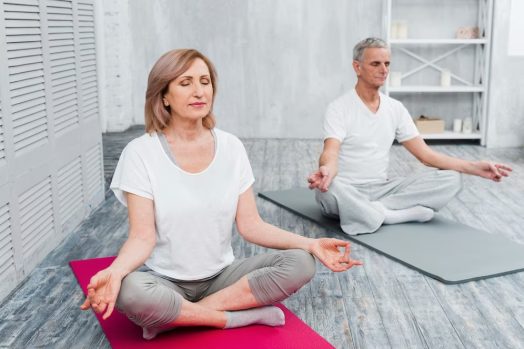
    • Meditation: When starting with meditation, find a quiet and comfortable place to sit. Close your eyes, relax your body, and focus your attention on a word, phrase, object, or your breath. Whenever you feel your mind wandering, gently bring your focus back to your chosen point of attention. Practice for a few minutes each day and gradually increase the duration.
    • Deep Breathing: like with meditation, the best way to practice deep breathing is to find a quiet place. Sit or lie down comfortably, and begin to take slow, deep breaths. Breathing in deeply through your nose, allowing your abdomen to rise, and exhale slowly through your mouth, and letting your abdomen fall will draw attention away from painful sensations. Focus on your breath and try to release tension with each exhale.
    • Progressive Muscle Relaxation: Start by tensing and then relaxing each muscle group in your body. Begin with your toes and gradually work your way up to your head. As you tense each muscle group, hold the tension for a few seconds, and then release it, allowing the muscles to relax completely.
    • Visualization: Close your eyes and imagine yourself in a peaceful and serene environment, such as a beach, forest, or meadow. Visualize the details of the scene, including sights, sounds, and smells. Engage your senses and allow yourself to experience the relaxation and tranquility of the imagined setting.
    • Mindfulness: Be fully present in the current moment and observe your thoughts, feelings, and bodily sensations without judgment. Pay attention to the sights, sounds, and smells around you. Engage in activities with full awareness, whether it’s eating, walking, or simply sitting.
    • Yoga: Although yoga might not be for everyone, the relaxation it provides can often be of service to people looking for ways to manage chronic pain. Gentle stretching and yoga poses, when done correctly relax your body and calm your mind. Focus on your breath while moving through the poses, allowing yourself to become more present and centered. Yoga can help improve flexibility, reduce muscle tension, and promote relaxation. Joining a yoga class can go a long way to building up your confidence when first starting out.
    • Guided Imagery: Listen to guided relaxation recordings or apps that lead you through imagery exercises. These recordings often combine soothing music, calming narration, and visualizations to guide you into a state of deep relaxation.

    Remember that relaxation techniques can be highly individual, so it’s essential to find what works best for you and your level of comfort. You can experiment with different methods and adjust them to suit your preferences and needs. Regular practice is key to experiencing the full benefits of these techniques, especially in the application to treat conditions such as chronic pain. 

    Each technique engages the mind and body to induce a state of calm and tranquility. These practices not only provide immediate relief from stress but also have long-term benefits, such as strengthening resilience and improving emotional regulation.

    If you are seeking to enhance your quality of life contact Dr Sue Webb, a clinical psychologist.  We are dedicated to guiding individuals on their journey toward a more peaceful and fulfilling life. 

    Whether you are struggling with stress, anxiety, or simply want to incorporate relaxation into your daily routine, their expertise and support can make a significant difference. Take the first step toward a better life by reaching out today.


    Dr Sue Webb
    Clinical Psychologist
    May 2023

  • Conquering Chronic Pain: Relaxation Techniques To Manage Stress Level

    Conquering Chronic Pain: Relaxation Techniques To Manage Stress Level

    Chronic pain can be very debilitating, and it’s no surprise that long-term stress can make it even worse. Stress causes a lot of physical symptoms, including fatigue, insomnia, headaches, aches and pains, palpitations, and breathing problems, amongst others. It also affects our thoughts, emotions, and behaviour (or, how we respond to situations), which can intensify any pain that is already there. 

    Stress causes a lot of constant worry and negative thinking, which massively affects our ability to concentrate on things and process information. It can then be very hard to remember information, which makes us worry even more about having memory problems! 

    Emotionally, stress causes frustration, irritability, anger, fear, helplessness, boredom, depression, anxiety, and loneliness. Our behaviour changes, too, as we start avoiding people and activities, procrastinating, and withdrawing from society. 

    This blog explores the effects of long-term stress on chronic pain and how relaxation techniques can help manage stress levels.

    With all the negative effects presented above how can people get on top of chronic pain and lower their stress levels?  One option is to practice relaxation techniques: Deep breathing exercises, meditation, and progressive muscle relaxation can help you relax by unwinding tense muscles, which contribute to pain levels by putting pressure on nerves and other parts of the body. It also slows down thinking and clears your head, which reduces worrying thoughts.

    Getting regular exercise, especially low-impact like walking, swimming, or yoga can help improve your mood, reduce stress, and lessen pain symptoms. Another method that some people find helpful is hot and cold therapy. Apply heat (such as a hot water bottle or wheat bag) or cold (frozen peas in a towel or cold compress) to the affected area 

    Reaching out to support groups can help people to feel less isolated and more understood: Joining a support group can help you connect with others who are experiencing similar challenges and give you a sense of community and support.

    Professional help can be very helpful for people who suffer from chronic pain for a long time. You can consult with Dr Sue Webb, a clinical psychologist who specializes in pain management. They can offer you more ways to cope with your pain and stress and make you feel less isolated with your condition. This can reduce your stress levels and improve your well-being.

    Another really important step when tackling chronic pain is to make time to do some hobbies and enjoyable activities: Often when we are dealing with pain it is so easy to use all your energy on the boring, “must do” tasks, but doing things you enjoy get endorphins flowing – these are your body’s natural painkillers. So doing absorbing hobbies and fun activities can distract you from your pain, improve your mood, and provide a sense of accomplishment.

    Remember that managing chronic pain is a process that may require patience, experimentation, and support. Be kind to yourself, and don’t hesitate to reach out for help when you need it.

    If you are struggling with stressful situations, Dr. Sue Webb, a clinical psychologist, can help you cope. Sue Webb Psychology offers a range of services to help you deal with social anxiety, chronic pain and manage stress. Get in touch with us today to find out more.

    Dr Sue Webb
    Clinical Psychologist
    May 2023

  • Five tips to help you manage chronic pain at work

    Five tips to help you manage chronic pain at work

    1. Ergonomic workspace setup: Ensure that your workspace is ergonomically designed to reduce strain on your body. Adjust your chair height and position to support good posture, and use a chair with proper lumbar support. Position your computer screen at eye level and use a keyboard and mouse that are comfortable for your hands and wrists. An ergonomic setup can help minimize pain and prevent further discomfort. If you work in an office, occupational health should be able to assess you for these pointers.
    2. Take regular breaks: Incorporate regular breaks into your work routine to give your body time to rest and recharge. Sitting or standing for prolonged periods can aggravate pain. Set reminders to stretch, move around, or change positions every hour or so. Gentle stretching exercises or short walks can help relieve tension and improve blood circulation.
    3. Communicate with your employer and colleagues: Inform your employer or supervisor about your chronic pain condition and work together to explore possible accommodations or adjustments that can make your work more manageable. Ask for time off for health appointments. This may include flexible work hours, modified duties, or changes to your workspace. Educate your colleagues about your condition, as their understanding and support can contribute to a more supportive work environment. You may also be able to park closer to your work space, so that you are not using all your energy just getting to and from work.
    4. Practice stress management techniques: Chronic pain can easily be exacerbated by stress. Incorporate stress management techniques into your workday, such as deep breathing exercises, mindfulness meditation, or taking short breaks to engage in activities that help you relax and unwind. Manage your workload effectively by prioritizing tasks and delegating when necessary to reduce stress levels. If you need quieter times from a busy office, ask if there is a quiet room you could have use of, or work from home several days a week.
    5. Incorporate pain management strategies: Implement pain management strategies that work for you throughout the workday. This may include using heat or cold therapy, applying topical pain relief creams, TENs machine or patches, or taking prescribed pain medication as directed by your healthcare provider. Consider using assistive devices, such as wrist braces or ergonomic supports, to alleviate pain during specific tasks.

    Remember, it’s important to consult with your healthcare provider for personalized advice and guidance on managing chronic pain at work. They can provide you with specific recommendations based on your condition and help you develop an individualized plan for pain management in the workplace.


    Dr Sue Webb
    Clinical Psychologist
    May 2023

  • Five tips to help you manage chronic pain while using public transport

    Five tips to help you manage chronic pain while using public transport

    1. Plan ahead and allow extra time: Give yourself extra time to reach your destination so that you can move at a comfortable pace and avoid rushing. Get to airports and stations early so you can avoid queuing. Rushing can increase stress levels and exacerbate pain. Check the public transport schedule in advance and plan your journey accordingly to minimize waiting time and reduce any unnecessary discomfort. If you can order special assistance beforehand, do it. Having someone who is aware of your needs and can help with wheelchairs, ramps and luggage makes the journey so much easier. Have some good quality luggage which is light with 2 or 4 wheels to minimize pressure on your joints and back. Try to travel light and see if you can buy toiletries when you get to your destination. At the end of your journey, you may need to allow an extra day or two to rest in between to recover from travelling.
    1. Choose the right seating: If you can, book your seat in advance. Book a front facing seat if you get motion sickness. Ask for a seat for people with disabilities as they are likely to have more legroom. When using public transport, try to select seating that provides the most support and comfort for your specific needs. Look for seats with adequate cushioning or opt for priority seating if available. Consider using cushions or pillows to provide extra support to areas that are prone to pain, such as the lower back or hips. Some inflatable cushions or bean-filled travel cushions can be useful to bring with you.
    1. Use aides to help with your mobility: If necessary, consider using assistive devices such as walking sticks, canes, or crutches to provide stability and reduce strain on your body while navigating through stations, boarding, or exiting the vehicle. These devices can help distribute your weight and alleviate pressure on painful areas or provide a means of rest.
    1. Mind your posture: Pay attention to your posture while seated on public transport. Sit with your back straight and supported, and try to distribute your weight evenly on both hips. Avoid slouching or hunching over, as this can increase tension and discomfort. If you are standing, engage your core muscles and maintain a stable stance to reduce strain on your joints. If you are travelling on trains or planes, try to stand up for a bit and move around during the journey to relieve the pressure on other areas that build up when you are sitting for a long time. You may need to take pain medication before you travel and have extra supplies in case you have a flare up whilst you are out. Have some drinks and snacks with you and try to keep hydrated.
    1. Practice relaxation techniques: Use relaxation techniques during your journey to help manage pain and promote a sense of calm. Deep breathing exercises, mindfulness meditation, or listening to soothing music or audio recordings can help distract your mind from pain sensations and promote relaxation. Consider using noise-canceling headphones or earplugs to create a more peaceful environment. Take some essential oils with you that you find calming, and puzzle books etc for distraction. If you have a wheat bag you could ask to have this heated up for you at service stations, airports or the buffet car of a train. Alternatively, the sticky heat pads may be a better, lighter solution for travelling, or a TENs machine

    Remember to consult with your healthcare provider for personalized advice on managing chronic pain while using public transport, as they can provide additional recommendations or strategies tailored to your specific condition and needs.

    Have a lovely journey and enjoy your break!

    Dr Sue Webb
    Clinical Psychologist
    May 2023